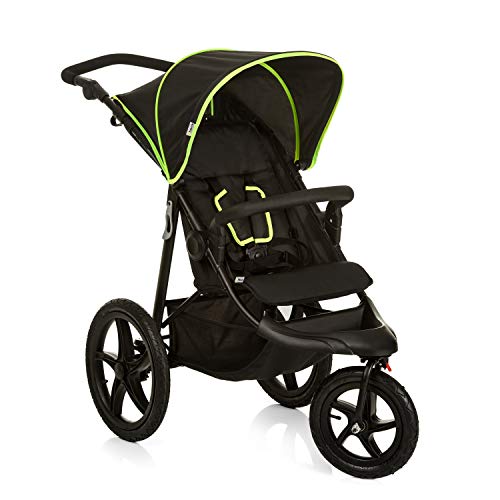
Pram Vs Pushchair: What's the very best Choice for Your Child?
When it concerns carrying your little one, moms and dads often find themselves asking the concern: Pram or Pushchair? While Pram And Stroller Sale serve the necessary function of bring infants and toddlers, they vary substantially in style, usability, and function. This detailed guide will dive into the pros and cons of each choice, helping you make a notified decision that best fits your way of life and needs.
Comprehending the Basics
Before we dive into the details, let's clarify just what a pram and a pushchair are.
- Pram: A pram, short for perambulator, is usually developed for newborns to around 6 months old. It features a flat, reclining seat that permits infants to rest fully. Prams generally come with large wheels for smoother rides on different terrain.
- Pushchair: A pushchair, also understood as a stroller, is developed for older babies and toddlers who can sit up by themselves. Pushchairs usually have a more upright seat and are lighter and more compact than prams, making them easier to steer in congested spaces.
Secret Differences Between Prams and Pushchairs
Here's a comparative breakdown of the significant distinctions between prams and pushchairs:
| Feature | Pram | Pushchair |
|---|---|---|
| Age Range | Newborn to 6 months | 6 months to 4 years |
| Seating Position | Fully reclining | Upright or reclining |
| Weight | Much heavier | Lighter, differs by model |
| Portability | Less portable, bulkier | More portable, easier to fold |
| Terrain | Much better for rough surfaces | Best for urban environments |
| Storage | Minimal storage alternatives | Often includes storage baskets |
| Expense | Normally more expensive | More economical options |
Benefits and Disadvantages
Pram
Advantages:
- Comfort for newborns: The flat, reclining seat supplies a comfortable area for babies, which is important for their establishing spinal column.
- Steady style: Prams are usually more steady, making them ideal for outside strolls, especially on irregular surface areas.
- Style: Many parents value the timeless and stylish look of prams.
Disadvantages:
- Less versatility: Prams can be large and heavier, making them less useful for everyday use.
- Much shorter life expectancy: As your child grows, the pram might no longer appropriate after they reach six months.
Pushchair
Advantages:
- Lightweight and compact: Pushchairs are easier to transport and steer, specifically in congested areas or public transport.
- Versatile seating positions: Many pushchairs offer adjustable seats, permitting reclining positions for naps or sitting up for expedition.
- Storage choices: Most pushchairs include storage baskets, making them practical for bring bags or kid fundamentals.
Downsides:
- Less convenience for newborns: Not all pushchairs are ideal for newborns unless they include a baby safety seat or carrycot attachment.
- Stability problems: Some light-weight designs might not perform well on unequal terrain.
Selecting the Right Option for You
When choosing in between a pram and a pushchair, think about the list below aspects:
1. Age of Your Child
- If you have a newborn, a pram may be the very best option.
- For older babies and young children, a pushchair is typically more practical.
2. Lifestyle and Usage
- Urban dwellers might choose the light-weight and compact style of a pushchair.
- Parents who enjoy outdoor activities might benefit from the stability and convenience of a pram.
3. Spending plan
- Prams tend to be more costly due to their design and materials.
- Pushchairs are readily available throughout a broader rate range, offering you more options.
4. Storage Space
- If you have actually limited storage in the house or in your automobile, a pushchair is easier to fold and store.
5. Terrain Considerations
- For households residing in locations with rough surface, a pram might offer much better movement.
- If you mostly browse city streets, a pushchair will likely be more efficient.
FAQs
Q1: Can I utilize a pushchair for a newborn?
A: Yes, lots of modern-day pushchairs featured baby car seat adapters and carrycots that enable them to be used for newborns. Nevertheless, check the maker's standards to make sure security.
Q2: Do I need both a pram and a pushchair?
A: It depends upon your way of life. Some parents decide for both for various events, while others find one alternative enough.
Q3: Are prams and pushchairs simple to clean up?
A: Most modern designs are created with easy-clean fabrics, but constantly check the producer's directions for specific care standards.
Q4: How long can I use a pushchair?
A: The lifespan of a pushchair normally ranges from around 6 months to 4 years, but this can vary based upon the design and weight capacity.
Q5: Are there travel systems that consist of both?
A: Yes, numerous brand names use travel systems that consist of both a pram and pushchair parts, permitting a smooth shift as your baby grows.
The option between a pram and a pushchair ultimately comes down to individual preference and way of life requirements. Understanding the differences, advantages, and downsides of each can help you make a decision that will provide your child with comfort and safety while fulfilling your household's practical requirements. Whether you select the traditional pram or the flexible pushchair, investing in quality equipment will permit you to navigate the journey of parenthood with ease and confidence.